

The Legend of Lee Hotti: how new jersey guidos changed combat sports and american culture forever
By David Potter
Once upon a time, MMA was barely a blip on the American sports radar.
The Ultimate Fighting Championship (UFC) — which had been pulled from pay-per-view due to public outcry over the perceived dangers to fighters — had just been purchased by the Fertitta brothers. Meanwhile, PRIDE FC was setting the Japanese fight world on fire.
Mainstream media? Barely interested.
The average American sports fan? Didn’t care.
MMA was quickly dismissed as a 90’s fad that fizzled out, surviving only on a diehard fanbase. To put it bluntly — nobody in America gave a damn about mixed martial arts.
Except for me… and maybe three or four other people.
The Night Everything Changed
That all shifted on one faithful night on Spike TV when Forrest Griffin and Stephan Bonnar delivered the fight of a lifetime.
It wasn’t just a war — it was a cultural reset.
Suddenly, eyeballs that had ignored the sport were glued to their screens. The pay-per-view that followed — UFC 52: Liddell vs. Couture 2 featuring Chuck Liddell vs. Randy Couture — shattered UFC records at the time.
For the first time, MMA proved it could:
- Turn a profit
- Draw mainstream attention
- Capture serious sports fans
Fighting is a universal language. And suddenly, everybody was fluent.
Even the wrong people.
Enter: The Tourists
You know the type.
- The guy in the Tapout shirt who just discovered arm bars last Tuesday.
- The barroom philosopher who claims he’s a “black belt in UFC.”
- The mysterious jiu-jitsu red belt who can’t name his instructor but swears his hands are “too lethal.”
And then there was the unofficial mascot of MMA’s awkward adolescence: Lee Hotti.
The Sherdog Era
Long before Twitter, Instagram, or TikTok, there was Sherdog — the underground cathedral of hardcore fight fans since 1997.
If you were there, you were a diehard. Period.
But as MMA exploded, Sherdog saw an influx of newcomers — like summer tourists flooding a quiet beach town.
On January 9, 2006, Lee Hotti posted a now-infamous thread titled:
“Pic of me and mah boys up in Jersey.”
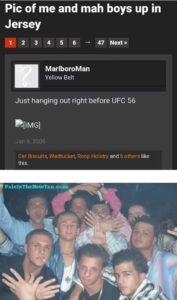
At first glance, many assumed it was a troll job. But judging by Hotti’s replies to his “haters,” all signs pointed to authenticity — and a catastrophic miscalculation.
Sherdoggers didn’t hesitate. They descended on the thread like piranhas. The server nearly melted.
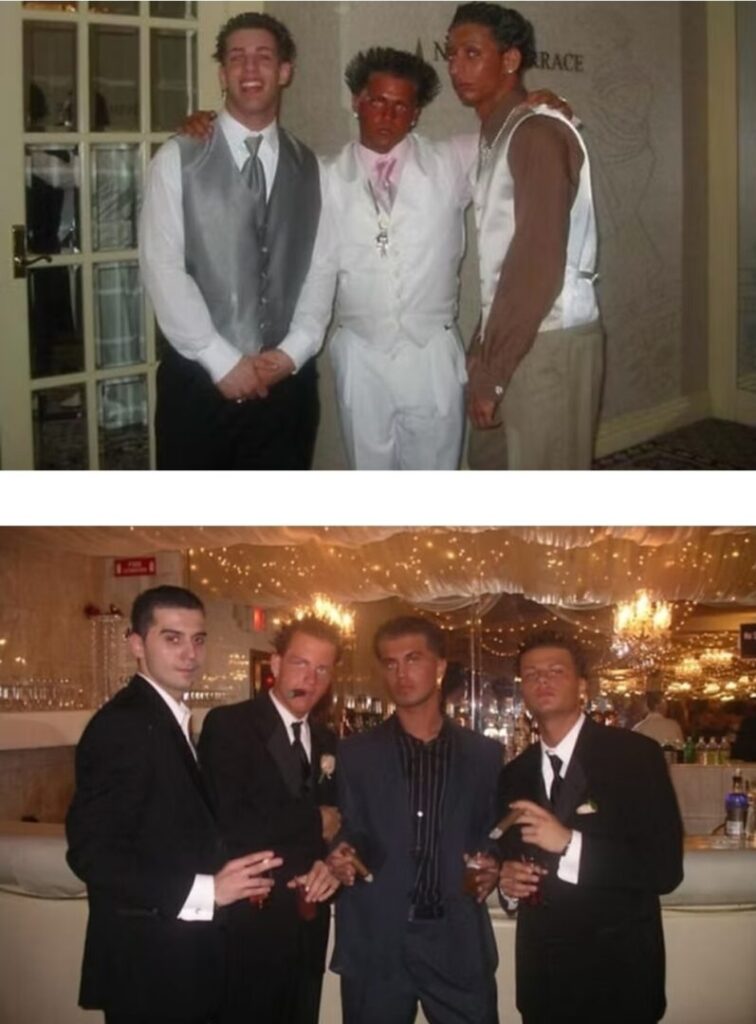

Nearly 47 pages of comments later, the post escaped containment. It spread to other forums, web chats, and early social media spaces — spawning an ocean of memes, Photoshop edits, parody videos, and full-blown internet chaos.
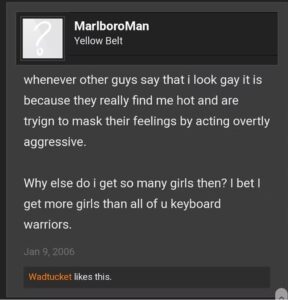
The web went nuclear.
Lee Hotti went viral.
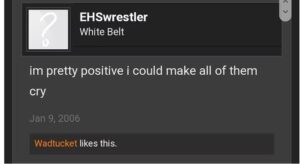
(Yes, EHSWrestler was me. I joined in. No regrets.)
From Meme to Mainstream
According to a source connected to Viacom at the time, the over-the-top “Growing Up Gotti” aesthetic caught the attention of MTV executives.
The exaggerated New Jersey caricature.
The hair.
The attitude.
The spectacle.
Sound familiar?
Not long after, Jersey Shore exploded into pop culture dominance.
Coincidence? Maybe.
Internet prophecy? Possibly.
Either way, the same chaotic energy that fueled a viral Sherdog thread would later drive one of MTV’s biggest reality franchises
The Legacy of an Accidental Icon
MMA today is a global powerhouse. Billion-dollar valuations. International events. Household names.
But the culture was built in the trenches — forums, underground communities, late-night debates, and viral disasters.
Lee Hotti may not have been a champion inside the cage.
But in the chaotic Wild West days of early MMA internet culture?
He was unforgettable.
And whether we like it or not, he remains a strange, hilarious footnote in the history of combat sports.